…Now for the diesel part.
A little background first. I’ve owned a lot of vehicles. Too many for one person. My last one was a 4Runner. Fantastic vehicle for offroading, but underpowered, terrible fuel economy, and not practical for everything Montana throws at you. The huge storm a few years ago where I lost two trees was a good reminder of that. The 4Runner replaced a 1 ton Ram that wasn’t well suited for a move to Kirkland, WA. Crew cab and a long bed didn’t fit anywhere.
Since I’m not just playing on Jeep trails or living in Moab, that storm was a good reminder that a truck is still really practical. I will always think that a squarebody was the pinnacle of pickup trucks (I have a ’65 GMC I am rebuilding), but they aren’t the most practical in the modern world. Enter Ram diesels. Still easy for the shade tree mechanic to work on most things, good fuel economy, and can tow anything you throw at it. My new-to-me truck took 6 months to find – 2017 2500 with the venerable 6.7 Cummins, which I found with 75,000 miles. By diesel standards, this is just broken in, and didn’t cost $95,000 like a current model year equivalent.
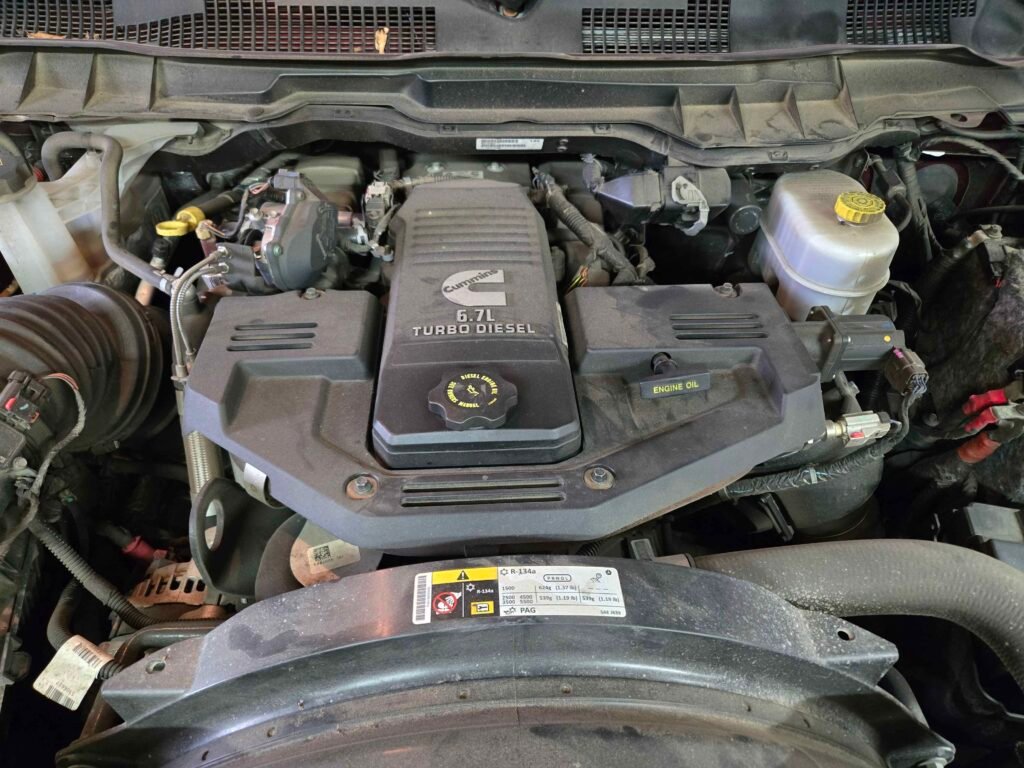
Aside from not keeping up general maintenance, there is one known failure point for these engines. For simplicity, this engine doesn’t use glow plugs for cold starts, it uses a heater grid. Instead of heating the air in the cylinder, the heater grid heats up the air in the intake – different solutions for the same problem. Whoever designed it, decided that it would be a good idea to put a nut inside the intake area on the heating element. This can melt and drop into cylinder 6. A $0.20 part leads to a new $20,000 engine. Replacing parts after they fail is one maintenance strategy. I would prefer to solve problems before they happen. Thankfully, mine didn’t end up with the grid heater issue.
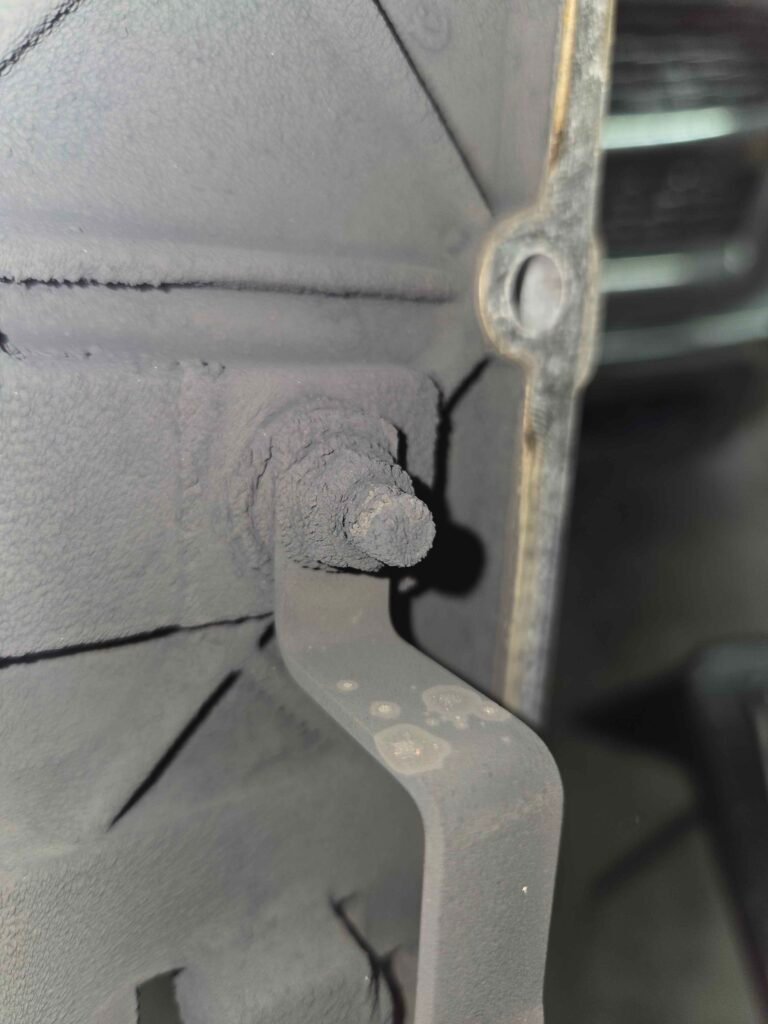
Since this is a giant inline 6 (not a V8) it is a lot easier for DIY work – no need to pull the whole cab off to work on it (this is one of the reasons diesels have the reputation for being so expensive for repairs). A company called Banks makes an air ram that solves this issue, and increases airflow – replacing this was a good full Saturday project, but with detailed instructions, it wasn’t too challenging.
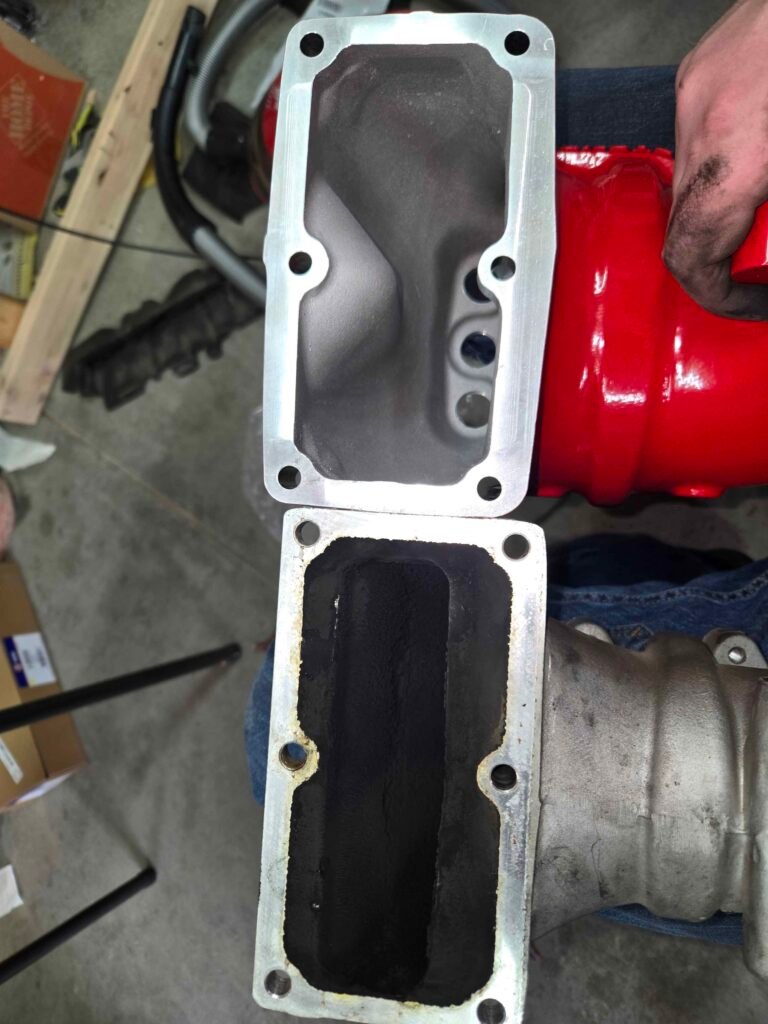
The project ended up taking longer than I expected, but it involved removing and replacing a fuel rail, fuel lines, and the actual parts for the project.
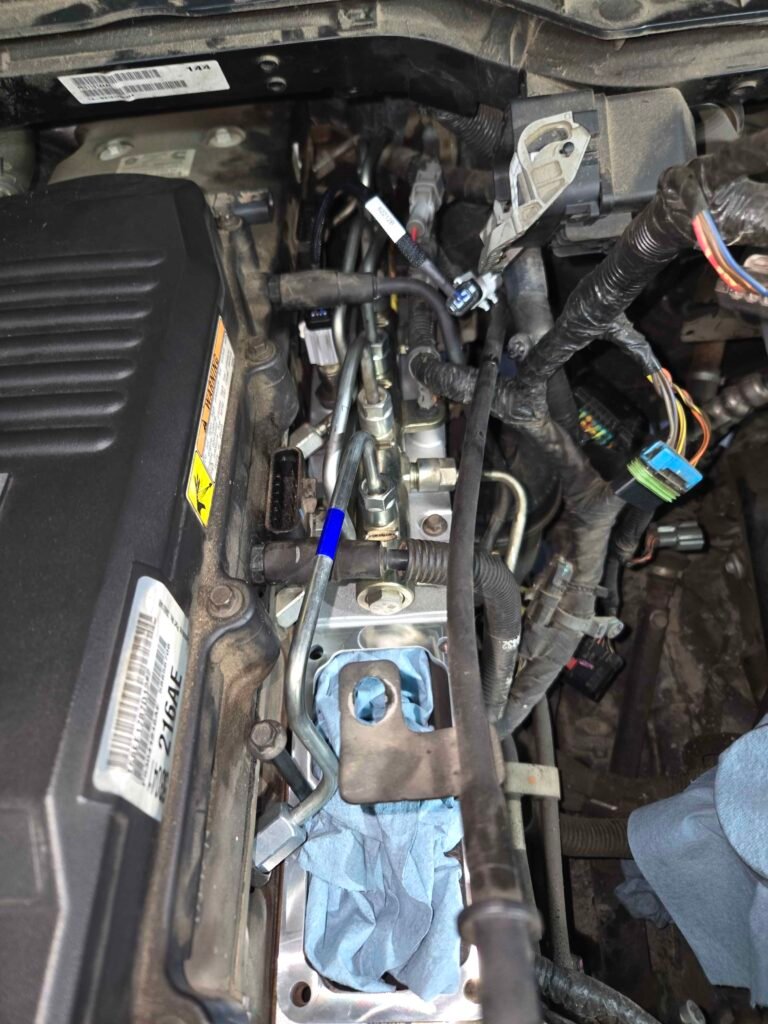
I was able to get everything tightened back up correctly – no fuel leaks or boost leaks. It was a productive Saturday.
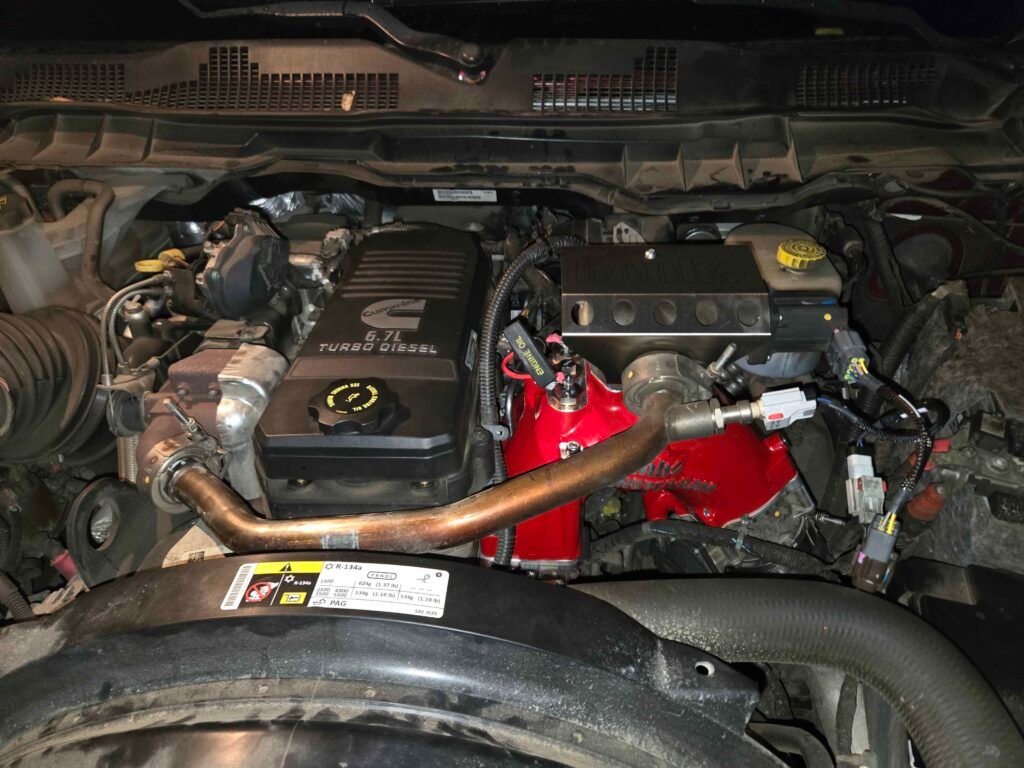
In the end, I should have better airflow, better fuel economy, and no risk from that grid heater bolt. No horsepower gains, but that wasn’t my goal. While it did take longer than I had hoped, the worst part was getting really dirty. Don’t let projects like this be daunting – we live in an era of detailed instructions and YouTube videos.
This ended up being a 3 beer project.